








Maldives Islamic Bank and Soneva Namoona Successfully Complete Sustainable Waste Management Programme in R. Fainu
MIB, Soneva Namoona, and Fainu Island Council have completed a sustainable waste management programme in R. Fainu, training over 50 participants and distributing composting kits to 25 households. Key outcomes include adopting the Namoona model, eliminating plastic burning by 2026, and ending all open burning by 2030.
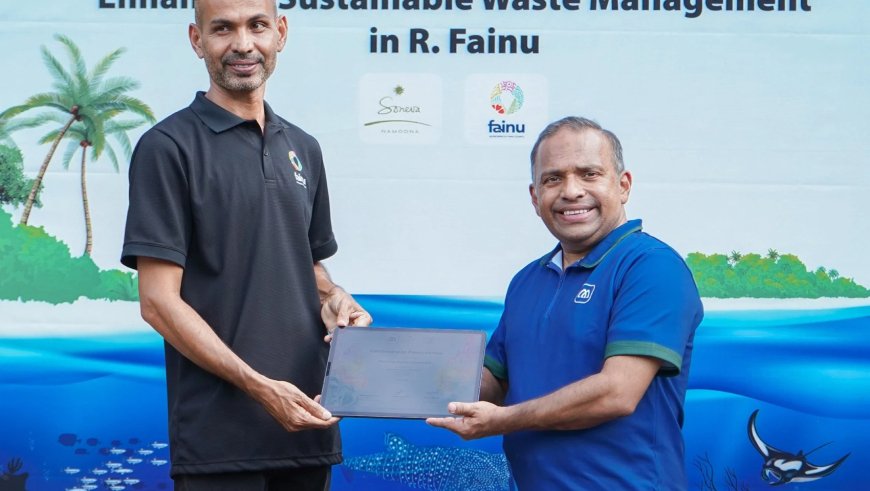
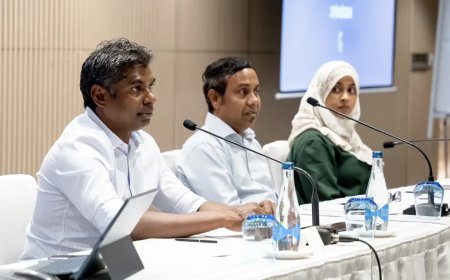
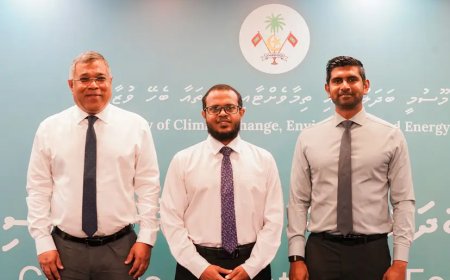
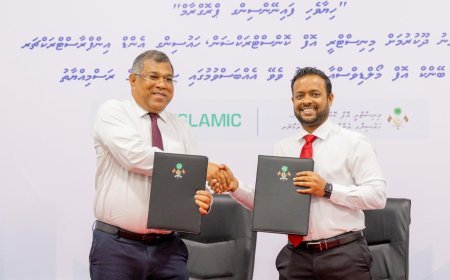
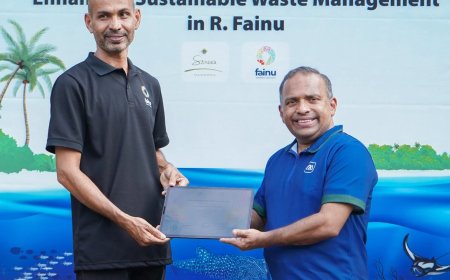
Maldives Islamic Bank (MIB), in partnership with Soneva Namoona and the Fainu Island Council, has successfully concluded a collaborative programme aimed at strengthening sustainable waste management practices in Raa Atoll Fainu, marking a significant milestone in the island's journey towards a cleaner and more environmentally resilient future.


The programme was developed in direct response to Fainu's interest in adopting the Namoona Sustainable Waste Management Model, which has already been successfully implemented across several other islands in the Maldives. Drawing on MIB's financial support and Soneva Namoona's technical expertise, the project focused on establishing the foundational systems and capacity required for an effective and community-driven waste management approach on the island.
Key Activities Undertaken
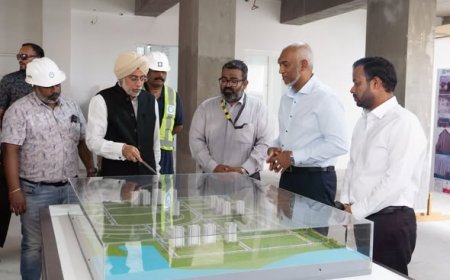
The programme encompassed a comprehensive range of activities designed to build lasting impact, including a seven-day waste audit, a Namoona Changemaker Workshop, the development of a customised Waste Management Plan, the installation and operationalisation of waste management equipment, and capacity-building training for local waste management teams, ensuring the island is equipped with both the tools and the knowledge to sustain the programme long into the future.
Training, Composting, and Community Impact
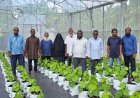
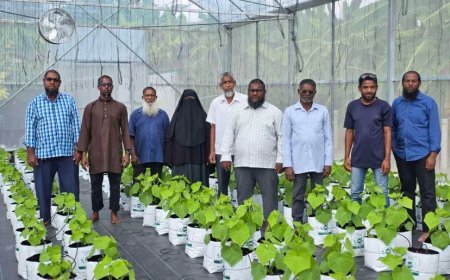
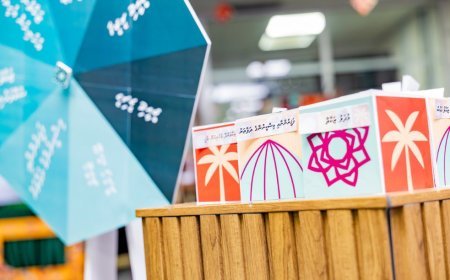
Over the course of the programme, more than 50 participants were trained through workshops and technical capacity-building activities, strengthening local leadership and operational capability for sustainable waste management. In addition, 25 households received home composting kits through the Kaadhu Satheyka Programme, empowering families to reduce food waste directly at the source through household composting.
Key Outcomes of the Programme
The engagement delivered two significant outcomes for the island community:
- The existing Waste Management Plan will be amended to incorporate the Namoona Sustainable Waste Management Model, establishing a structured and phased approach to sustainable waste management across the island.
- A firm commitment has been established to eliminate the burning of all plastic waste by the end of 2026 and all forms of open burning by the end of 2030, setting clear and measurable environmental targets for the community.
Community Engagement at the Heart of the Programme
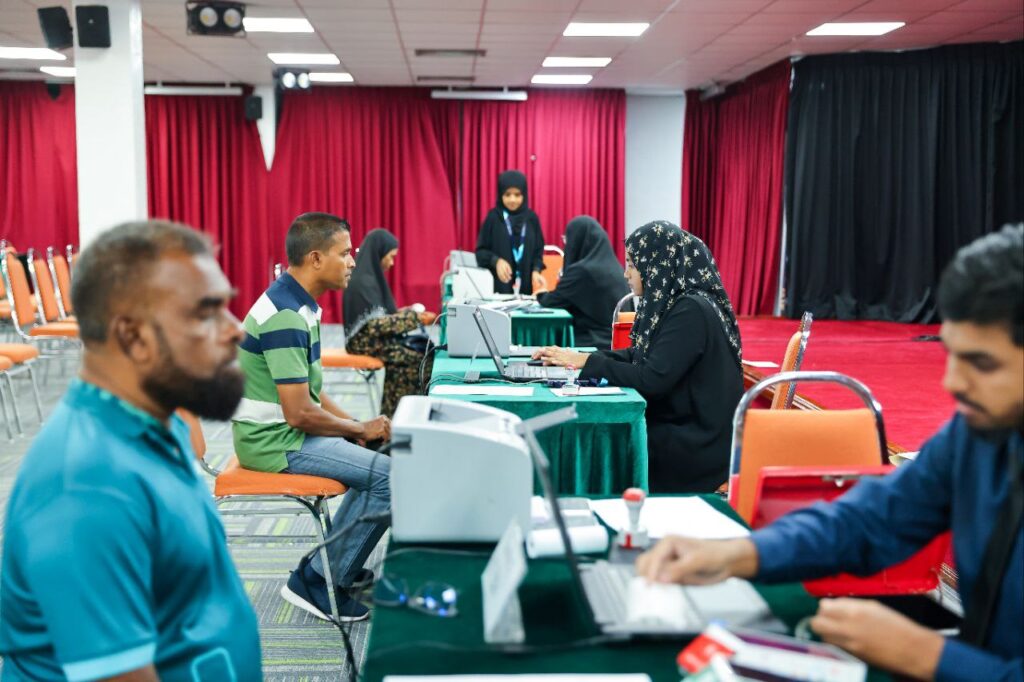
Community engagement was a central pillar of the entire programme, delivered through the Community Fresh Start event, the Kaadhu Satheyka Home Composting Programme, and the Emmenah Engey Bodu Sirru (EEBS) awareness sessions, ensuring that the initiative reached and empowered residents at every level of the community.
As the initial phase of the programme has been completed, all partner organisations are conducting follow-up activities and impact assessments to measure outcomes and ensure that the systems established through the initiative continue to deliver lasting and meaningful benefits for the people of Fainu well into the future.
What's Your Reaction?